Explore employment and skills support through organizations such as local clubhouse programs and other qualified workforce providers.
A new beginning starts here · Planned reentry initiative
The Jail to Possibility Program
A second chance should begin before someone walks out of jail. Our vision brings together compassionate leadership, a personal roadmap, Angel volunteers, and the resources people need to build a meaningful life after release.
Currently in development. This program is not yet operating. We’re bringing together specialists, partners, and funding to build it.
The heart of Jail to Possibility
Your Life. Your Strengths. Your Roadmap.
Every participant would complete a structured Life Roadmap Assessment—a carefully designed test developed with qualified specialists. It would help uncover individual strengths, learning preferences, goals, practical barriers, and areas where professional guidance may be useful. The purpose is not to label someone, but to understand the person and build a plan together.
Take the assessmentDiscover strengths and needsBuild a personal roadmapConnect to servicesWork with an AngelCelebrate progress
01 · PARTICIPANT ASSESSMENT
Understand the whole person
Participants would take the assessment with appropriate support. Qualified professionals would help develop and interpret the tool; it would not substitute for clinical evaluation or make automatic decisions about a person’s eligibility or future.
02 · PERSONALIZED LIFE ROADMAPIllustrative milestones only. Each roadmap would be developed with the participant and adjusted to their circumstances.
Turn insights into a plan
First 30 days
Immediate essentials: documents, housing needs, appointments, and a trusted support contact.
First 90 days
Build routines around employment, recovery or therapy referrals, childcare, and probation requirements.
1-, 3-, 5- and 10-year goals
Build a long-term vision for stable housing, family relationships, education, meaningful work, financial confidence, service, and personal aspirations—with goals chosen and revisited by the participant.
Connect today · Bring services together tomorrow
The Right Support, From the Right Organization
The Life Roadmap Assessment is envisioned to help identify not just a person’s goals and needs, but the types of existing community services best suited to support them. An Angel would then help the participant explore appropriate referrals, make connections, and follow through.
Explore healthcare services through established providers such as People’s Health Clinic.
For people experiencing abuse, connect with qualified organizations such as Peace House for confidential support and appropriate safety services.
Find existing resources for childcare, housing navigation, education, recovery support, transportation, and volunteering.
Our longer-term vision: The Mall of Dreams campus could bring independent community organizations and their services together in one welcoming, coordinated setting. This is a future aspiration, not a claim of current co-location or formal partnerships with the organizations named above.
03 · SHARED GUIDANCE, WITH CONSENT
The participant and their Do Hard Things Angel would use assessment results and the roadmap to identify appropriate existing providers, organize referrals, and follow through on next steps. With appropriate permission, relevant information could also help probation officers, case managers, and qualified service providers coordinate support—while each professional retains their own responsibilities.
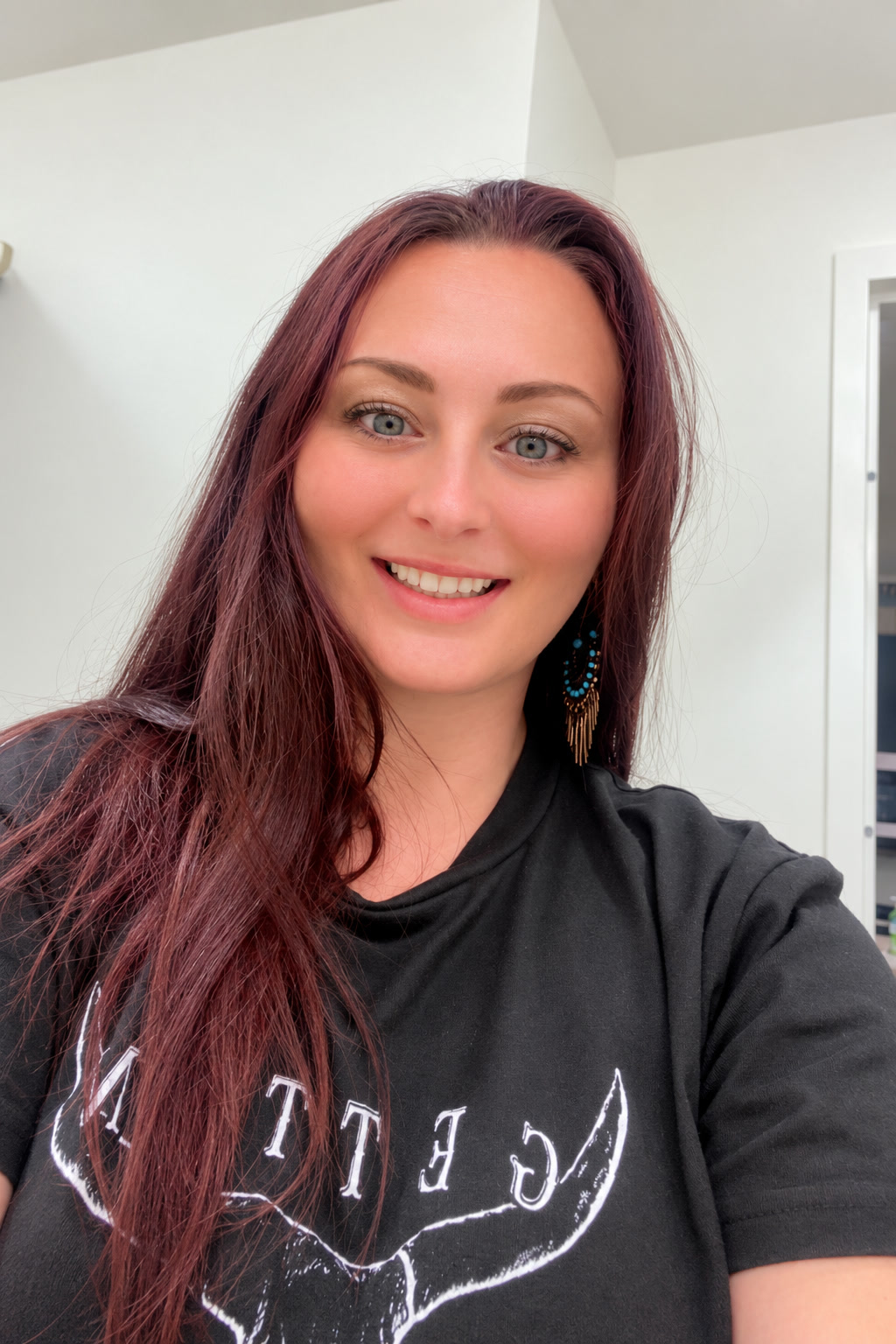
A participant’s story
A Path Forward, One Step at a Time
After leaving jail, Chabree moved into sober living, found a job with High Valley Transit, and made a home of her own through workforce housing. Proud of her sobriety and her ranch roots, she has also helped with the equestrian program and worked with Romeo.
Chabree did the hard work of building this life, with encouragement and support along the way. She is now saving for a car, another goal she is working toward on her own terms. Her story shows the determination and possibility at the heart of reentry.
Chabree’s journey is her own. The Jail to Reentry program described on this page is still being developed.
A guiding voice for second chances
Sheriff Kacey Bates: Leadership with Compassion
 Summit County Sheriff’s Office badge
For several years, Sheriff Kacey Bates has helped influence the vision for Do Hard Things. Her conviction that people need stability after incarceration helped bring transitional housing to the forefront—and housing is now envisioned as the first phase of the future campus.
With decades of experience in the Summit County Sheriff’s Office, including jail leadership, Sheriff Bates brings an understanding of the challenges people face in custody and during reentry.
“Sheriff Kacey Bates is one of the strongest, kindest, and most remarkable women I’ve ever known. She has an incredible instinct for law enforcement, a deep commitment to protecting our community, and the compassion to see the human being behind every circumstance.
What I admire most is that she doesn’t stop caring about people when they leave her jail. She wants to see them succeed, rebuild their families, and create lives they are proud of. She understands that accountability and second chances can go hand in hand.
She’s an extraordinary mother, a dedicated sheriff, and an incredible human being. Her leadership, wisdom, and heart have helped shape this vision, and I couldn’t be more grateful to have her helping guide its future.”— Terrah Lund, Founder, Do Hard Things
As an experienced law enforcement leader, Sheriff Bates brings the judgment and perspective needed to protect the community, uphold accountability, and help guide the Sheriff’s Office into the future. In Terrah’s view, one of Kacey’s defining strengths is that she pairs a sharp law enforcement eye with genuine compassion for the people whose lives intersect with the justice system. Public safety and the opportunity for lasting change belong in the same conversation.
Sheriff Bates will help guide the vision and identify experienced professionals from corrections and reentry who can help design the proposed jail-entry and jail-to-housing programs. Do Hard Things will work to bring together additional specialists, community partners, and funding.
This is a vision being assembled, not an operating program. The experts, program design, agreements, and funding still need to come together before implementation. The housing village is a proposed first phase, not construction currently underway.
Learn more about the Summit County Sheriff’s Office →Our first campus priority
A Safe Place to Land. A Stronger Place to Begin.
Sheriff Kacey Bates’s emphasis on transitional housing helped make it the intended first phase of the future Do Hard Things campus. A stable place to live can make it easier to keep appointments, maintain employment, reconnect with family, and follow a personal roadmap.
From jail to stability—and toward independence
We envision a carefully designed transitional housing program with guidance from corrections and reentry specialists, appropriate support services, and pathways toward longer-term independence. The housing program would connect with the jail-entry assessment and Angel support model rather than stand alone.
This is a proposed first phase, not a development already under construction. The foundation and Sheriff Bates will need to bring together the right experts, plans, partners, funding, and approvals.
Explore the Housing Vision →StabilityA dependable foundation for daily life
ConnectionSupport for family and community ties
ProgressPractical milestones toward independence
A program worth building · A future worth investing in
What It Will Take to Build the Program
Do Hard Things is seeking the specialists, funding, and partners needed to develop and carefully evaluate this future program.
Specialist-led design
Qualified corrections and reentry specialists would help shape the assessment and roadmap around each participant’s strengths, needs, and goals.
Secure tools and evaluation
Funding would support secure software development, careful testing, and evaluation as the model is developed.
Prepare Angels
Volunteer training would prepare Angels to help participants navigate referrals and next steps—not provide clinical diagnosis or treatment.
Build the Program with Care
Sheriff Kacey Bates will help bring corrections and reentry experts to the planning process. The program would be designed to support the transition from jail into the community with privacy-conscious practices and qualified guidance.
Fund a Path Forward
Your support can help fund careful program development, including the assessment, roadmap technology, and Angel training.
Support Roadmap Development →Discuss a Major Gift or Partnership →Future-development donations are subject to the Foundation’s published stewardship commitments.From jail to a brighter future
Everyone deserves a path forward.
Help us build connections that support second chances, stronger families, and a healthier Summit County.
Partner, Volunteer or Support the Mission →